2026/2027 Artist in Residence · Photography
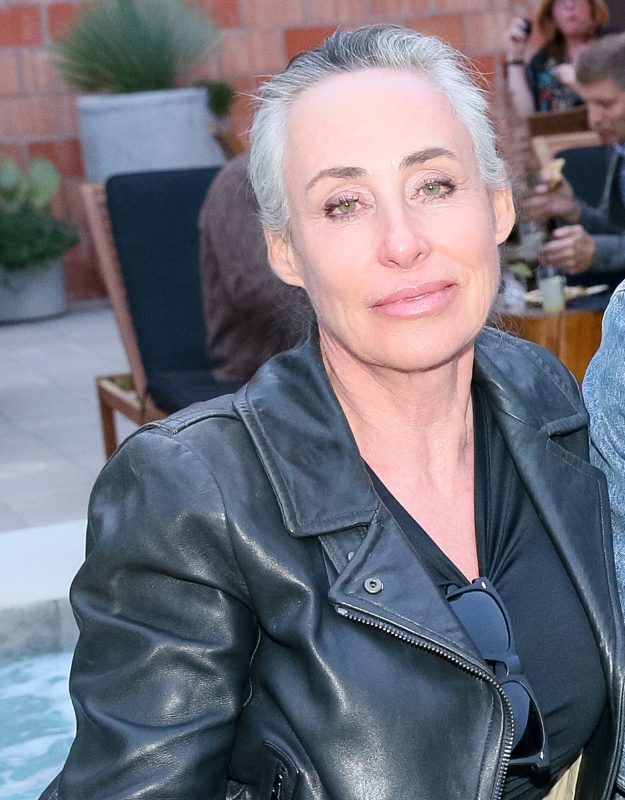
Karen Elizabeth Baker
Indian Wells, CA
My work uses photography to uncover the hidden structures within everyday experience—the histories embedded in landscapes, the pressures shaping built environments, the emotional residue carried by memory, and the subtle exchanges that define human relationships. Moving between landscape, portraiture, conceptual narrative, and image-based assemblage, I use the camera not only as a tool of description, but as a way of making visible what often escapes immediate perception.
Throughout my work I am interested in how place, time, and lived experience accumulate in images, and how photography can hold the tension between observation and interpretation, fact and feeling, presence and absence. Whether working in the desert, the city, or more intimate personal spaces, I approach the photograph as both document and transformation: a site where the visible world gives way to deeper psychological, social, and historical realities.
Karen Elizabeth Baker’s practice highlights photography’s mechanical precision, bringing unconscious aspects of vision into conscious awareness. Unlike work driven by external agendas, her images are vessels for exploring life—a process of creation that mirrors self-discovery. Through narrative photography, architectural studies, and vibrant color landscapes, her work illustrates both the technical process of capturing light and the metaphorical unveiling of hidden truths.
Baker’s inspirations originate from William Eggleston’s pioneering work in color, the shadow boxes of Joseph Cornell, still lifes of Roger Ballen, portraiture from Diane Arbus, and the New Topographics photographers Robert Adams, Stephen Shore, and Henry Wessel’s exploration with man-altered landscapes.
She studied photography and art history at UCLA and under artists Keith Carter, Roger Ballen, Shelby Lee Adams, Ed Freeman, and Julie Blackmon. Baker received a BFA in art and art history with a focus on analog photography from the University of Hawai‘i at Mānoa.